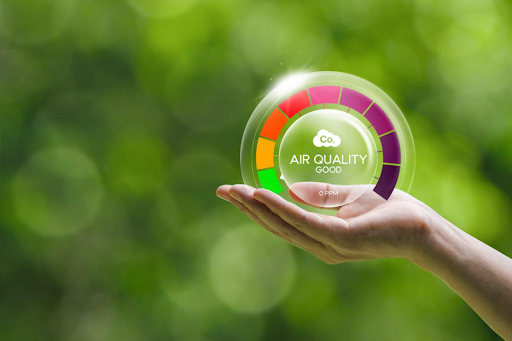
There are days when the air feels sharper, heavier, or strangely still, and you don’t need a weather app to pick up on it. Your body often delivers the first signal – a slight tightness in the chest, an unexpected cough, or the feeling that your breathing has to work just a bit harder than usual. Anyone who pays close attention to their own health sees the pattern long before the headlines do. And that’s precisely why conversations around everyday air quality deserve stronger attention than they typically receive.
Even experts like Sushil Gupta of Woodbridge, known for decades of work in pulmonary health, point to an uncomfortable truth: our breathing environment now changes faster than our routines do. What used to fluctuate slowly across seasons now shifts within hours, creating conditions your lungs must adapt to constantly. The problem is subtle, cumulative, and often overlooked until symptoms start disrupting sleep, energy, and overall well-being.
The daily changes in air quality are just as important as the big changes that happen when there are wildfires or smog that is so thick you can’t see. Itchy skin you brush off as “just dryness,” tiredness you blame on a busy week, and shortness of breath during a walk you’ve done a thousand times can all be caused by something in the air you breathe in every day.
The Invisible Variables Shaping Your Day
Outdoor air quality changes for dozens of reasons – weather patterns, traffic emissions, pollen spikes, factory output, construction dust, humidity shifts, stagnant air pockets, wildfire remnants lingering hundreds of miles away. Indoors, particulate matter from cleaning supplies, heating systems, cooking smoke, or poorly ventilated rooms adds another layer. These aren’t events. They’re conditions, and your lungs remain on duty through all of them.
The problem is that most people think air quality is only important when they’re outside. Actually, because air moves in smaller, more enclosed loops inside, indoor settings tend to have more irritants. Because you’re moving through air that doesn’t stay the same for long periods of time, your respiratory problems can feel like they come and go.
Why Your Lungs React Faster Than You Think
Your lungs are basically the first indicators your body uses. They react right away to changes in temperature, humidity, particle size, and chemical allergens. This is even worse for people with asthma, allergies, or even mildly sensitive airways. But people who don’t have known lung problems feel small changes in their performance, like taking longer to recover after exercise, feeling dry, which makes it necessary to clear their throat, or feeling heavy for a long time after exercising that wasn’t there the day before.
The lungs don’t wait for a crisis. They react immediately, and those reactions tell a story about what you’re breathing long before a lab test does.
The Most Noticeable Signs Your Air Quality Has Shifted
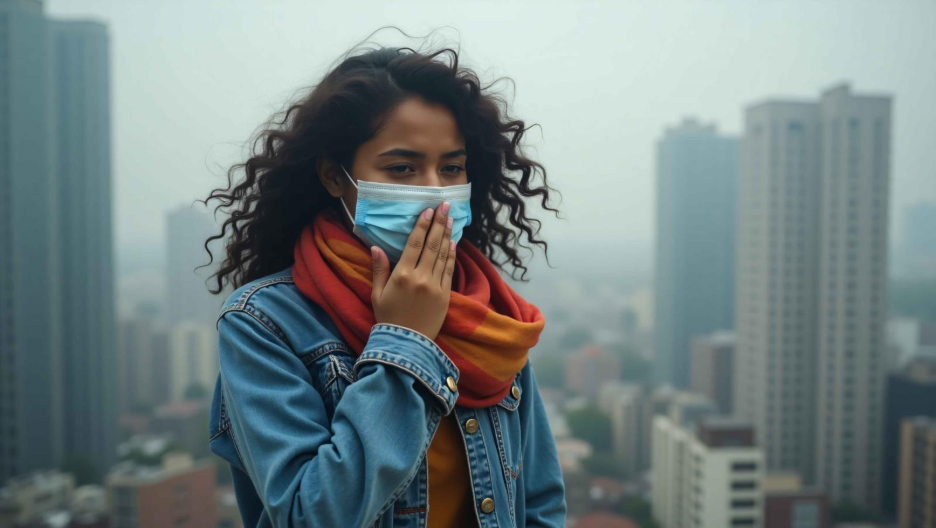
- A sudden rise in morning congestion or throat irritation
- Fatigue that feels disproportionate to your activity level
- Chest tightness during mild exertion
- Watery or itchy eyes despite no allergy diagnosis
These are early cues that your breathing system is nudging you to pay attention.
Why These Small Shifts Matter More Over Time
The lungs rarely get too tired all at once when the air quality changes. The effect builds up. Every day exposure to high levels of particulate matter or chemical toxins slowly decreases lung function, irritates the lining of the airways, and raises inflammation. Over time, these small irritations can make you more likely to get respiratory illnesses, make existing conditions worse, and make you less able to handle stress.
This is why people often report feeling “off” during certain weeks of the year without understanding why. The air may not be visibly polluted, but the body registers the difference faster than our schedules do.
Adapting Your Routine to Protect Your Breathing Health
Protecting your lungs doesn’t require dramatic lifestyle changes. It requires awareness and consistency. Keeping an air purifier running during peak allergy days, ventilating your home during and after cooking, monitoring AQI on high-pollution days, and adjusting outdoor exercise around those readings are practical shifts that protect you long before symptoms escalate.
Even simple rituals like opening windows during low-pollution mornings or switching to fragrance-free cleaning products can reduce the cumulative stress on your airway lining.
A Future Where Air Quality Demands Daily Awareness
As climate patterns continue shifting and airborne irritants become more unpredictable, breathing health will increasingly depend on proactive habits. Waiting for symptoms to appear is no longer a reliable strategy. Understanding what’s in your air, everyday, not only during crises, allows you to protect your lungs before the body has to compensate for poor conditions.
In a world where the air changes faster than we expect, being attentive to those signals is no longer optional – it’s essential.